

In this special podcast we go deep into the darkness that has descended upon the Kurdish ethnic minority in northern Syria. The massacre of civilians and brutality is reminiscent of ISIS. In fact, the Syrian state army is comprised of many former jihadists - some still openly wearing ISIS patches on their uniforms. The Kurds, of course, led the military force that led the assault on ISIS and its eventual retreat and defeat. But with the anointment of former al Qaeda man, Ahmed al Sharaa, as President of Syria…..violent Islamism has enjoyed something of a resurgence.
Absolute hell has been visited upon the Syrian Kurds while the west and the world are distracted by chaos in the Islamic Republic of Iran. But the massacre of Syrian Kurds has barely been noticed.
We feature interviews with four experts on the Syrian Kurds. (Their photos and bios are set out below in the Podcast Notes.) Each one brings a very deep understanding of the complexity of this situation. In order to assist as you work your way through this we have provided time stamps so that you may skip to particular bits that interest you more.
In addition to the experts featured here we spoke to many others. I am grateful to all for their time and generosity in sharing their expertise and insight. I would like to draw particular attention to Noor Dahri, a devout Muslim living in the UK and originally from Pakistan. I learned so much from Noor and hope to share part of our interview in the near future. Editing such rich material is not easy. So thanks, Noor, for helping me to better understand the forces that are driving fanatical Islamism in the Middle East and the west.
And to our loyal listeners, this episode is being made available to all subscribers in full. Consider it our contribution to doing whatever is possible to amplify awareness of the Kurdish plight.
There are some graphic videos included in this podcast. If you prefer not to view them we provide advance notice so that you may skip over them.
Timestamps:
Introduction with video clips: 00:00
Interview with Dr. Qanta A. Ahmed: 05:53
Al Jazeera report on the release of ISIS prisoners in Al Hol Detention Camp in northern Syria: 36:41
Interview with Ateret Shmuel: 39:22
Interview with Dr. Jan Ilhan Kizilhan: 51:54
Interview with Ahmad Sharawi: 01:02:15
Conclusion: 1:19:08
Show your support for STLV at buymeacoffee.com/stateoftelaviv

Podcast Notes:
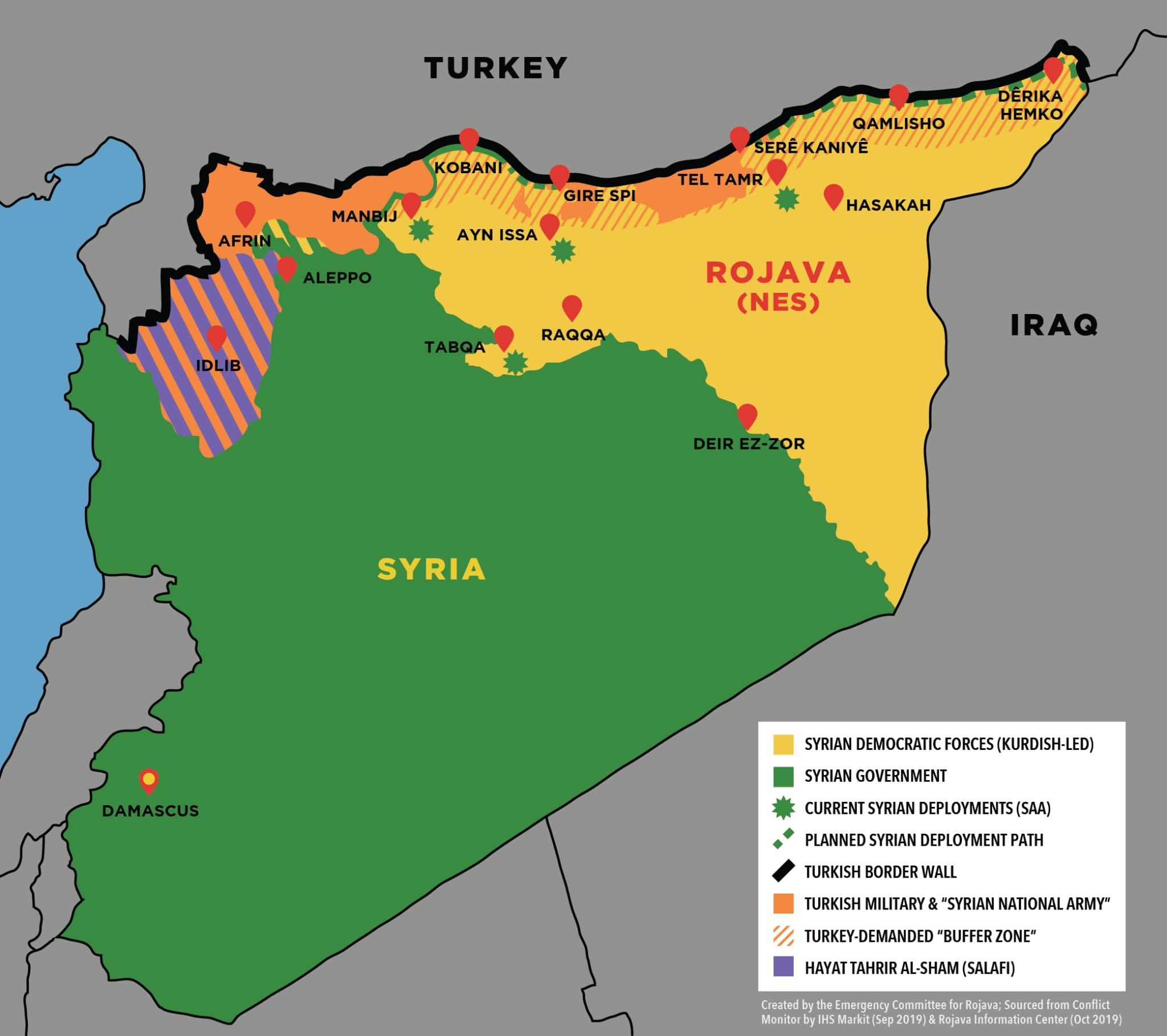
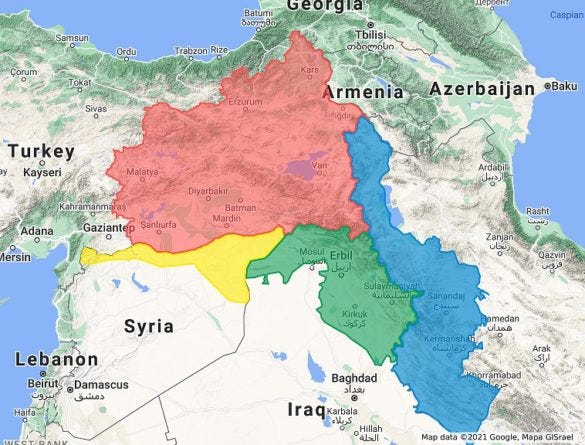
Maps referred to and shown in the podcast introduction:
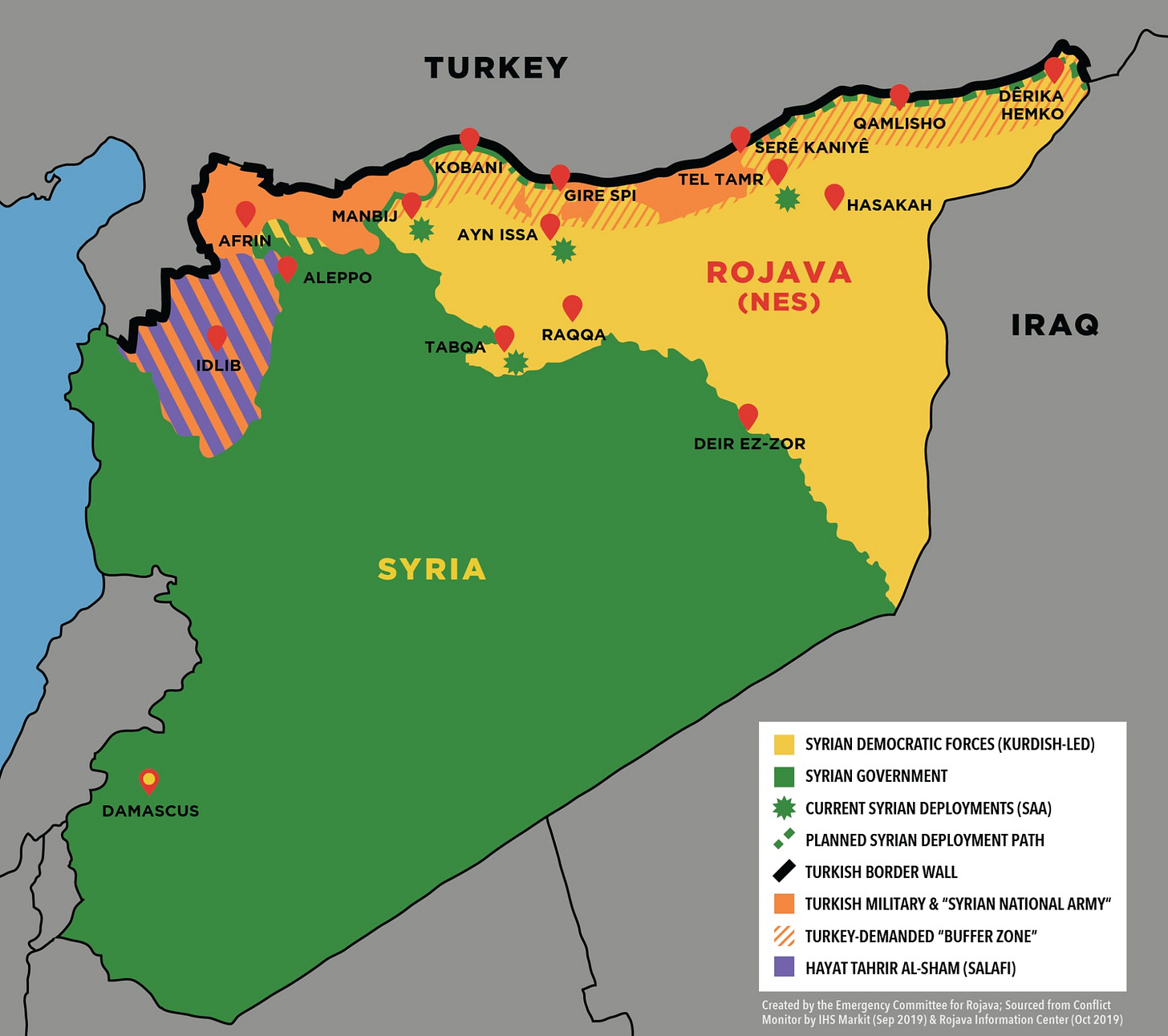
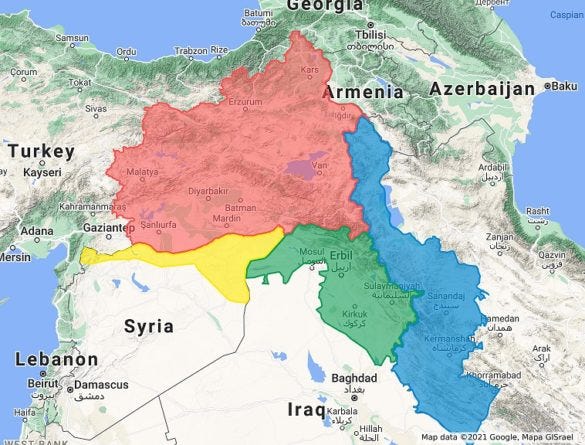
X post of U.S. Ambassador to Turkey, Tom Barrack, on January 20, 2026:
 Ambassador Tom Barrack@USAMBTurkiyeThe greatest opportunity for the Kurds in Syria right now lies in the post-Assad transition under the new government led by President Ahmed al-Sharaa. This moment offers a pathway to full integration into a unified Syrian state with citizenship rights, cultural protections, and3:32 PM · Jan 20, 2026 · 5.8M Views7.11K Replies · 1.63K Reposts · 9.21K Likes
Full text of this post: The greatest opportunity for the Kurds in Syria right now lies in the post-Assad transition under the new government led by President Ahmed al-Sharaa. This moment offers a pathway to full integration into a unified Syrian state with citizenship rights, cultural protections, and political participation— long denied under Bashar al-Assad’s regime, where many Kurds faced statelessness, language restrictions, and systemic discrimination.
Historically, the US military presence in northeastern Syria was justified primarily as a counter-ISIS partnership. The Syrian Democratic Forces (SDF), led by Kurds, proved the most effective ground partner in defeating ISIS’s territorial caliphate by 2019, detaining thousands of ISIS fighters and family members in prisons and camps like al-Hol and al-Shaddadi. At that time, there was no functioning central Syrian state to partner with—the Assad regime was weakened, contested, and not a viable partner against ISIS due to its alliances with Iran and Russia.
Today, the situation has fundamentally changed. Syria now has an acknowledged central government that has joined the Global Coalition to Defeat ISIS (as its 90th member in late 2025), signaling a westward pivot and cooperation with the US on counterterrorism. This shifts the rationale for the US-SDF partnership: the original purpose of the SDF as the primary anti-ISIS force on the ground has largely expired, as Damascus is now both willing and positioned to take over security responsibilities, including control of ISIS detention facilities and camps.
Recent developments show the US actively facilitating this transition, rather than prolonging a separate SDF role:
• We have engaged extensively with the Syrian Government and SDF leadership to secure an integration agreement, signed on January 18, and to set a clear pathway for timely and peaceful implementation.
• The deal integrates SDF fighters into the national military (as individuals, which remains among the most contentious issues), hand over key infrastructure (oil fields, dams, border crossings), and cede control of ISIS prisons and camps to Damascus.
• The US has no interest in long-term military presence; it prioritizes defeating ISIS remnants, supporting reconciliation, and advancing national unity without endorsing separatism or federalism.
This creates a unique window for the Kurds: integration into the new Syrian state offers full citizenship rights (including for those previously stateless), recognition as an integral part of Syria, constitutional protections for Kurdish language and culture (e.g., teaching in Kurdish, celebrating Nawruz as a national holiday), and participation in governance—far beyond the semi-autonomy the SDF held amid civil war chaos.
While risks remain (e.g., fragile ceasefires, occasional clashes, concerns over hardliners, or the desire of some actors to relitigate past grievances), the United States is pushing for safeguards on Kurdish rights and counter-ISIS cooperation. The alternative—prolonged separation—could invite instability or ISIS resurgence. This integration, backed by US diplomacy, represents the strongest chance yet for Kurds to secure enduring rights and security within a recognized Syrian nation-state.
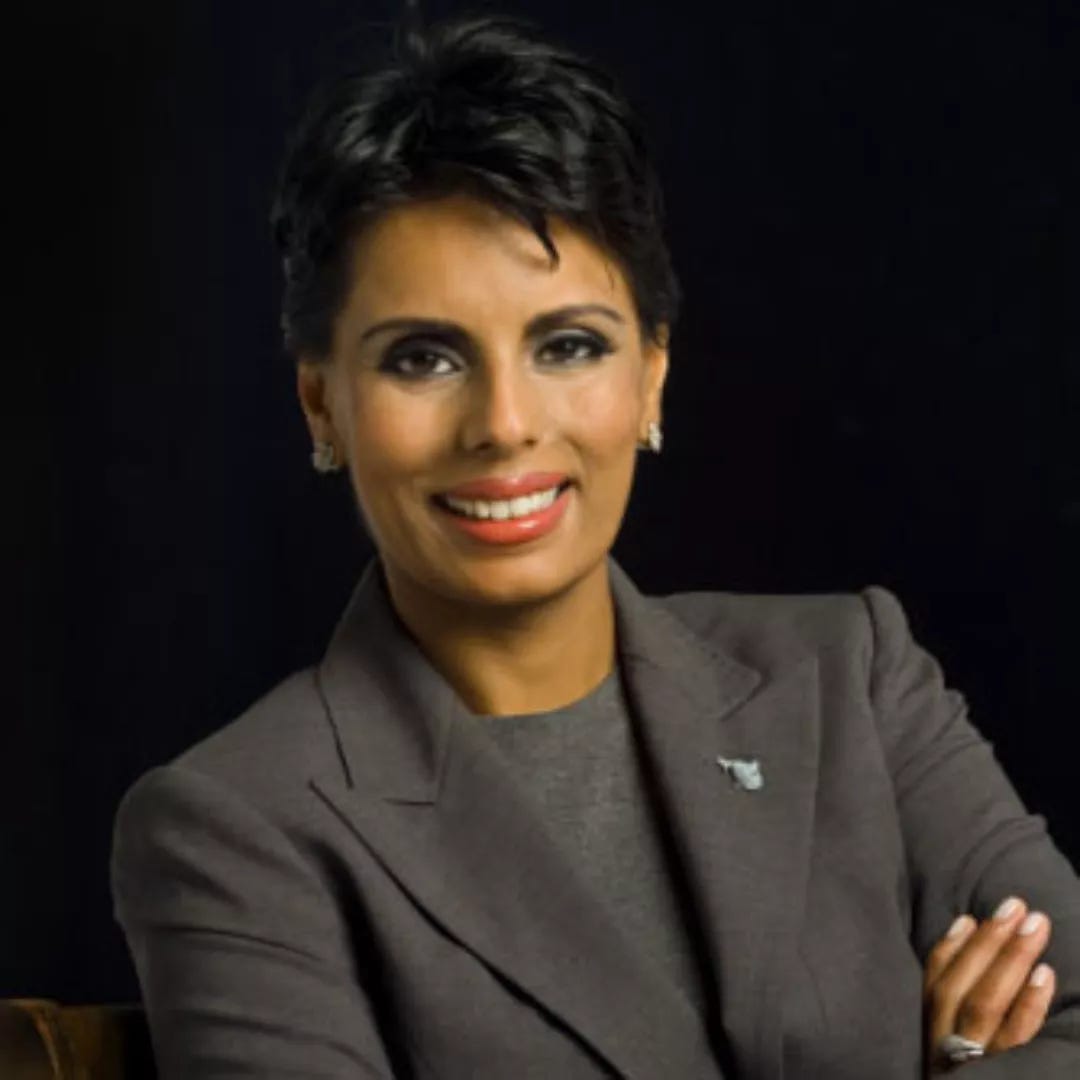
In Syria, the United States is focused on: 1) ensuring the security of prison facilities holding ISIS prisoners, currently guarded by the SDF; and 2) facilitating talks between the SDF and the Syrian Government to allow for the peaceful integration of the SDF and the political inclusion of Syria’s Kurdish population into a historic full Syrian citizenship.Dr. Qanta A. Ahmed
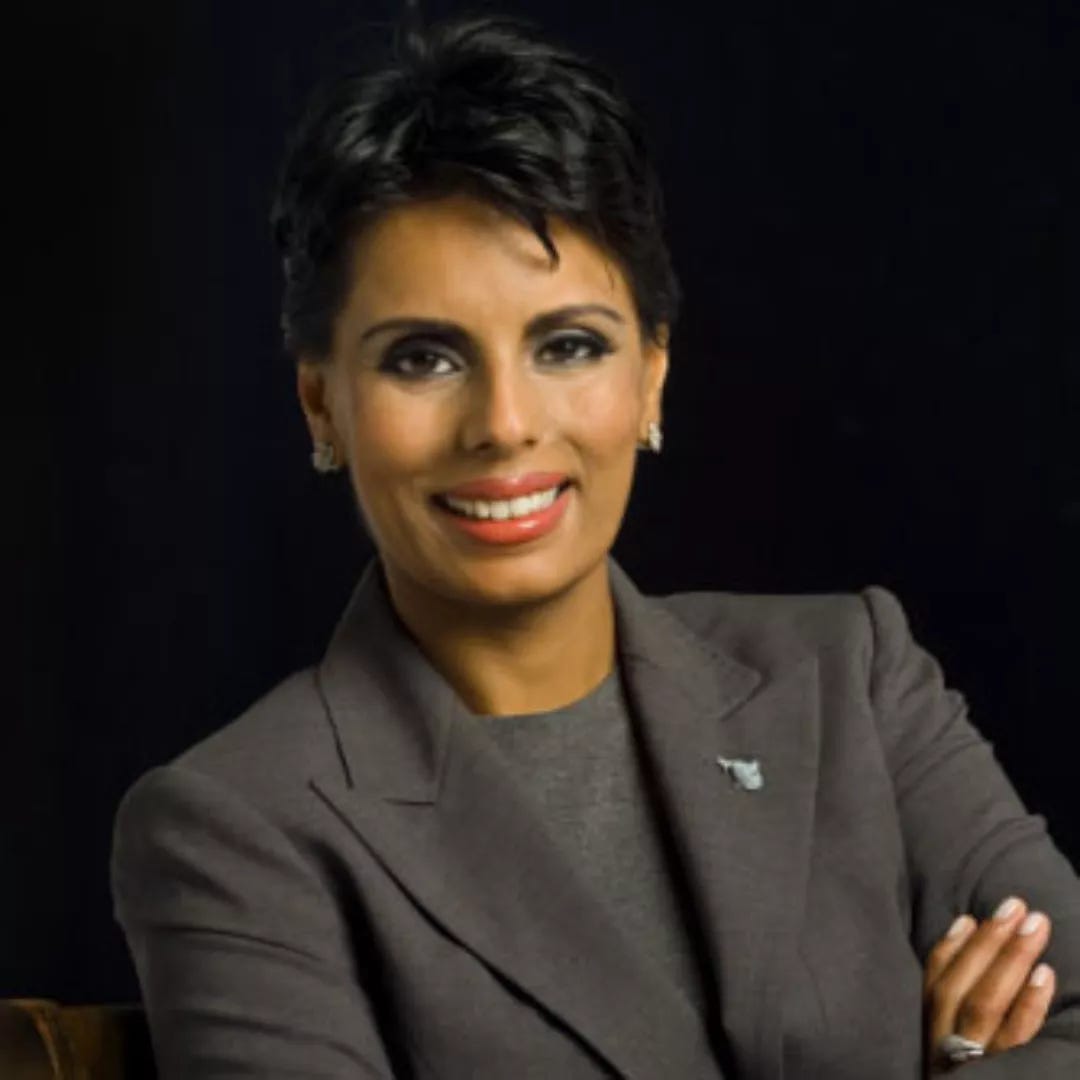
Dr. Ahmed is a physician, non-fiction author and broadcast media commentator. Her first book, In the Land of Invisible Women (Sourcebooks 2008) details her experience of living and working in the Kingdom of Saudi Arabia and has been published internationally in 14 countries. She is also a prolific opinion journalist and contributor to the American, British, Australian, Pakistani and Israeli media. Dr.Ahmad has been recognized for her work as a physician, researcher, journalist and advocate. She lives and works in New York City.
Ateret Shmuel
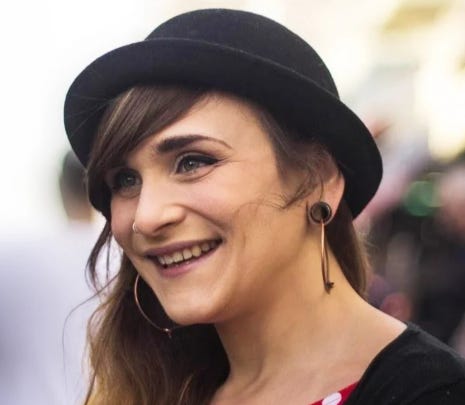
Ateret Shmuel lives with her two children in Jerusalem and is the founder of the not-for profit organization Indigenous Bridges and has worked with Kurdish communities and organizations in the Middle East for more than 20 years. https://www.indigenousbridges.com/
Jan Ilhan Kizilhan
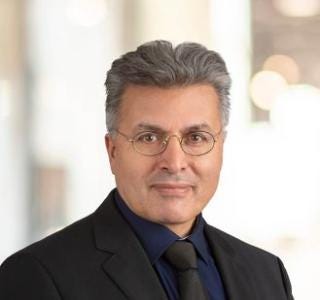

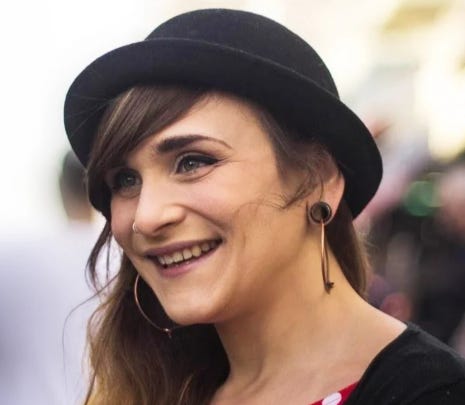
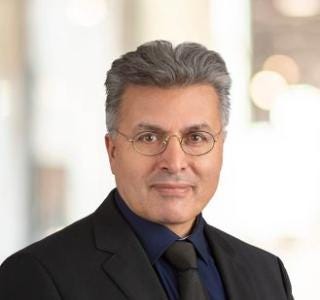
Dr. Jan Ilhan Kizilhan is a psychologist, psychotherapist, trauma expert, orientalist, author and publisher. He is also the Director of the Institute for Health Science the State University in Baden-Württemberg, Germany and the chief psychologist of the Special-Quota Project, a programme funded by the State Government of Baden Württemberg. The project brought 1,100 women and children who were in IS captivity to Germany for medical treatment. He is the Founding Dean of the Institute for Psychotherapy and Psychotraumatology at the University of Duhok/Northern Iraq.
Ahmad Sharawi
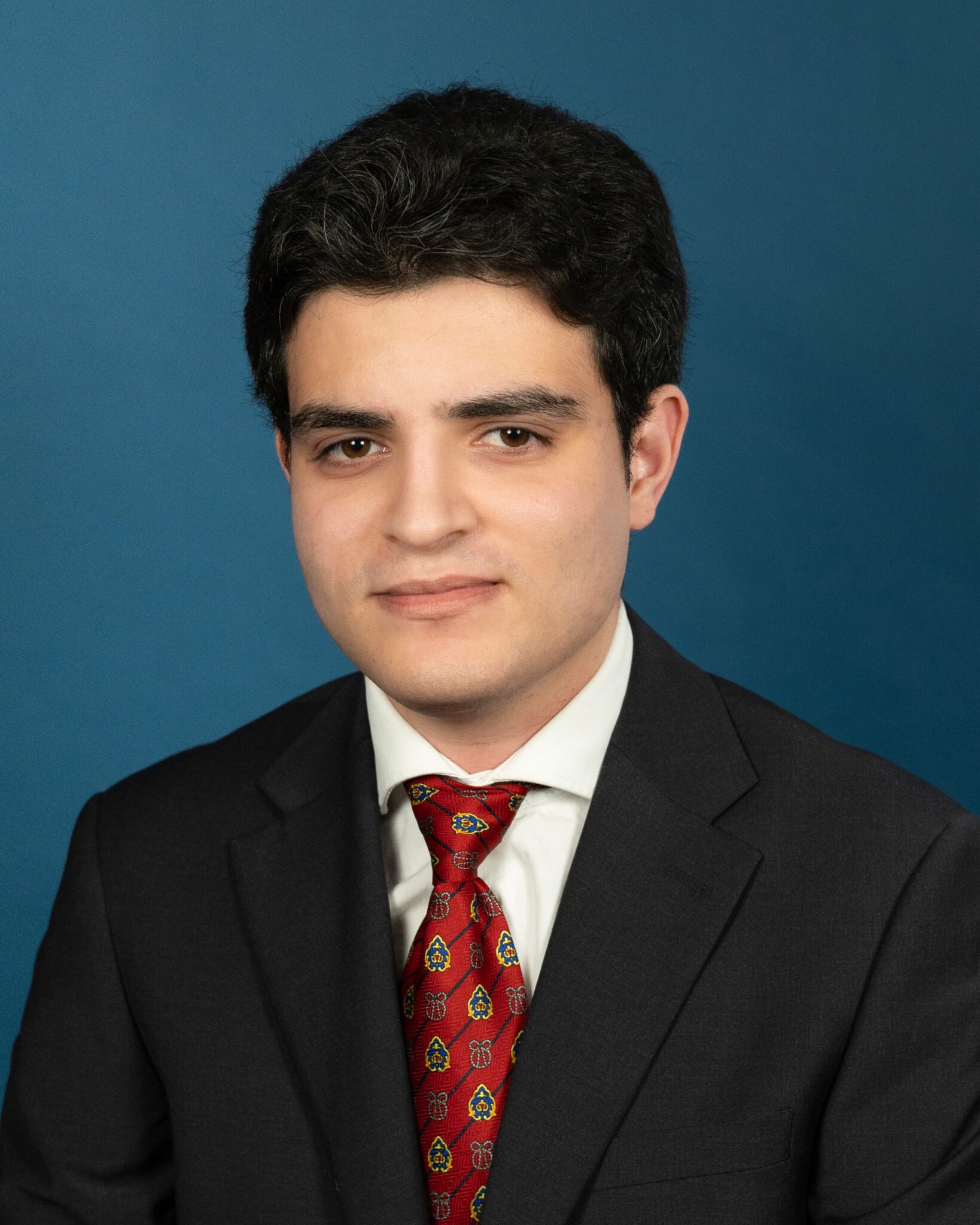
Ahmad Sharawi is a senior research analyst at the Foundation for Defense of Democracies, focusing on Middle East affairs, specifically the Levant, Iraq, and Iranian intervention in Arab affairs, as well as U.S. foreign policy toward the region. Previously, Sharawi worked at the Washington Institute for Near East Policy, where he focused mainly on Hezbollah. He created a map visualizing the border clashes on the Israeli-Lebanese frontier and authored articles on Jordan and Morocco. Ahmad previously worked at the International Finance Corporation and S&P Global. He holds a B.A. in international relations from King’s College London and an M.A. from Georgetown University’s School of Foreign Service.


