


The war between America and Iran was intended to be swift and decisive, or so we were told. Almost two months since America and Israel first attacked the Islamic Republic of Iran, a peaceful resolution - either through negotiation or defeat - remains elusive. Compounding the tension is the weaponization of the Strait of Hormuz in recent weeks; a small channel of water connecting the Persian Gulf with the Gulf of Oman and open seas. Unfettered access through the Strait of Hormuz for all merchant ships and vessels is and should be the norm, but Iran has decided that it alone can and must control this international waterway. By doing so, they choke the movement of oil and natural gas supplies, threatening and constraining economic activity everywhere.
And America says: “No.” You cannot do this. Not on our watch.
As with all things geopolitical - especially in the Middle East - it’s complicated. To help us understand the issues I speak at length in this podcast with (Retired) U.S. Admiral Mark Montgomery, a man who has served extensively at the highest level in the Middle East and around the world. It’s a fascinating discussion.
Show your support for STLV at buymeacoffee.com/stateoftelaviv

Podcast Notes
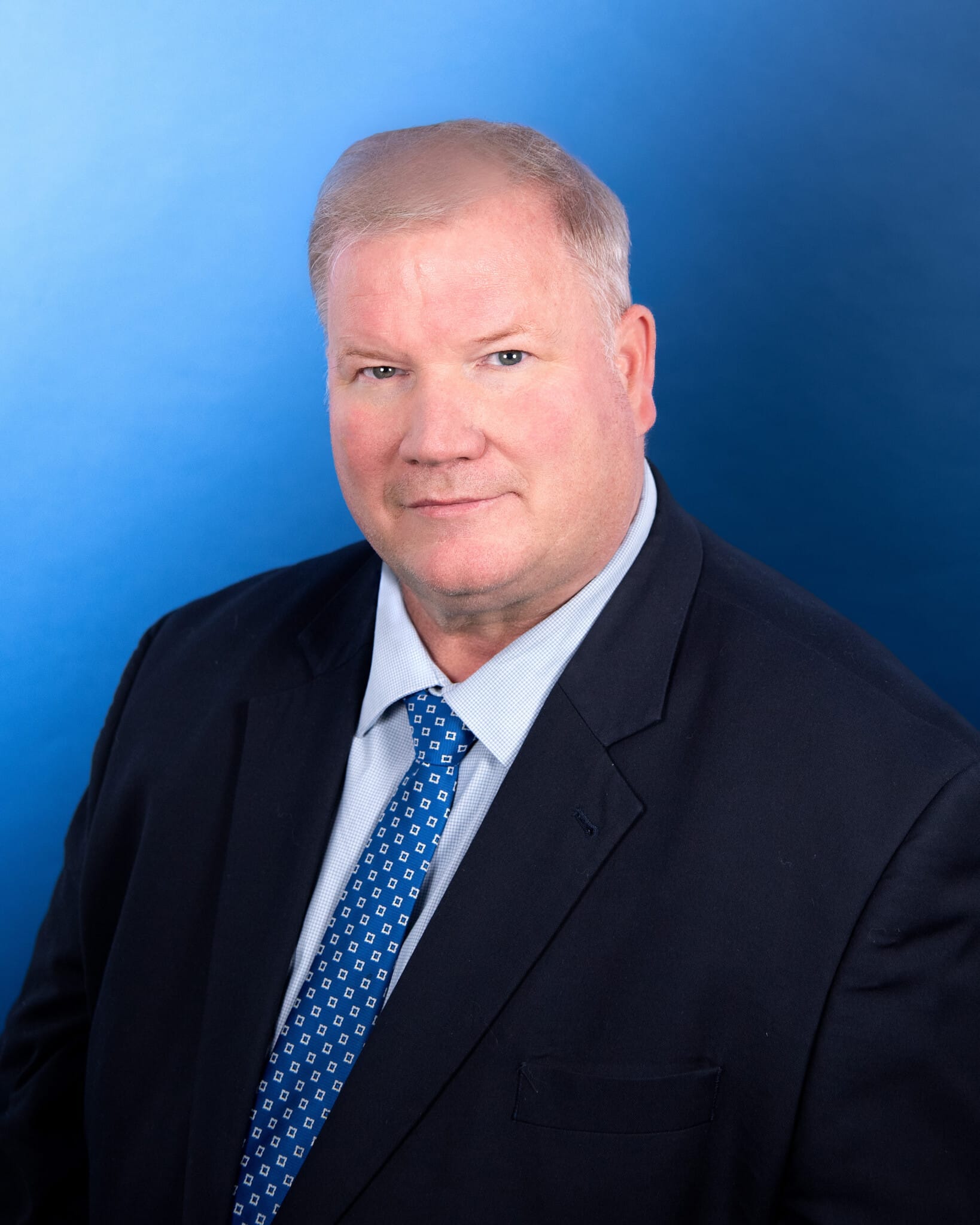
Rear Admiral (Ret.) Mark Montgomery serves as senior director of FDD’s Center on Cyber and Technology Innovation (CCTI) and as an FDD senior fellow. Mark served for more than three decades in the U.S. Navy, held senior leadership roles in Congress, and is a recognized expert on cyber and technology policy.
At CCTI, Mark leads efforts to advance U.S. national and economic security through technology innovation, counter cyber threats against the United States and its allies, and combat adversary cyber-enabled economic warfare (CEEW) campaigns. He also directs CSC 2.0, an initiative focused on implementing the recommendations of the congressionally mandated Cyberspace Solarium Commission, where he previously served as executive director. Additionally, Mark co-leads FDD’s Air and Missile Defense Program.
Prior to joining FDD, Mark was policy director for the Senate Armed Services Committee under Sen. John S. McCain, where he coordinated efforts on national security strategy, force posture, capabilities, and cyber policy.


